
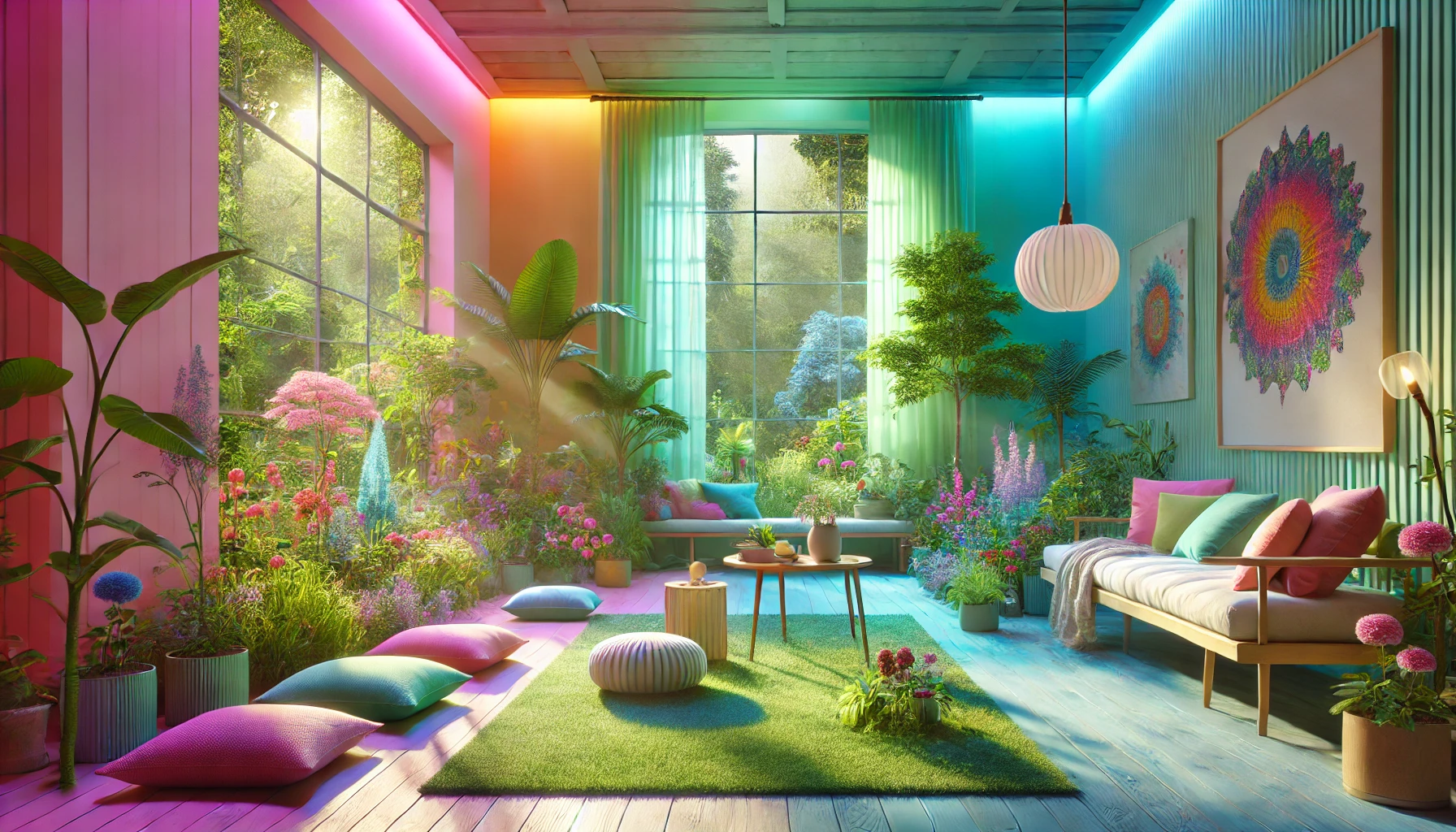

Color is not just an aesthetic element; it has the power to influence how we feel, think, and behave profoundly. From the soothing tones of blue to the invigorating shades of yellow, the healing power of color is one factor that touches our lives more than we realize. It molds our emotions, moods, and even our health. If you ever entered a room and instantly felt a feeling of calmness or excitement, then you have already felt the impact of color. Knowing how color affects the environment and mood helps you design spaces promoting relaxation, productivity, and wellness.
In this blog post, we journey into the science of color psychology to find out how you can harness the healing power of color to impact your mood and overall well-being positive well-being.
Color Psychology: An Influence on Mood
Color psychology is a well-accepted science that explains the effect of colors on an individual's emotional and behavioral levels. Research proves that colors have a direct psychological impact on the state of mind, influencing even something as simple as work or rest. Healing through color can be felt within the confines of your house, office, or any public place.
Take, for example, the color blue, which gives out the feeling of tranquility and peace. This color brings down heartbeats and lowers blood pressure, relaxing the person. Such soothing colors as green give a sense of balance and harmony. These reduce tensions and anxieties. Green, therefore, should feature more in resting places like bedrooms or hospitals. Yellow is very dynamic and optimistic, capable of raising mental activity and even creativity.
Knowing how you react to colors is significant in creating an environment satisfying your emotional needs. Color has much to do with feeling energized or calm before something is set.
The Healing Power of Color in Different Spaces
Specific areas in your home or office will require particular colors to work ideally to enhance the mood and productivity needed. Bring the healing power of color into your surroundings, and you can begin creating spaces that will ultimately work in conjunction with your needs to promote emotional and mental wellness.
1. Bedroom: Relaxation and Restfulness
Bedrooms are where people spend much of their time resting. So, the color associated with relaxation has to be present. Cool tones, such as blue, lavender, or soft green, work well for a peaceful mood. It's said that the presence of blue will reduce blood pressure and help you relax after a day at work. Similarly, lavender - a lighter tone of purple - has been said to be related to calm, restful sleep. All this works together towards a good night's sleep, which brings emotional balance.
On the other hand, red and yellow colors, usually energy-giving and stimulating, are too much for the bedroom. These colors are likely to raise heartbeats and disturb your de-stressing process, which is why they are preferred for more active rooms at home.
Office Spaces: Boosting Focus and Creativity
Colors are a significant factor in productivity and creativity. If you work in an office or at home, you want to create an environment that stimulates focus and creativity for success. Green is the color of balance and growth, ideal for a productive workspace. It has been proven to improve concentration and cognitive function, which is vital when working on complex tasks. Another color that promotes calm focus is blue. It is the best color in areas with intense concentration, such as the library or a study place.
Yellow can be highly inspirational. Bright and cheerful, yellow symbolizes a lot of mental stimulation, and a small splash in the office might inspire new thinking and innovative approaches. Excessive yellow may be a little overstimulating; therefore, it is advised to use yellow as either an accent or in modest portions.
Living Areas: Inviting and Social
You would like colors that create a warm and lively atmosphere in living rooms or social areas. Orange is the best color. It is a warm, inviting color that radiates energy and enthusiasm. It encourages conversation and bonding, making it ideal for living or dining rooms where you spend time with family and friends. Red is also a good color in these rooms because it inspires excitement and passion, though, like yellow, it must be used judiciously so that the space is not overstimulated.
The Psychological Effects of Colors
Depending on its wavelength and cultural associations, every color has a unique emotional impact. The better you understand the psychological effects of colors, the better you can utilize the healing power of color to your advantage.
Blue: heals and calms the mind, is known for reducing stress, and helps to promote a peaceful atmosphere. Such tones are generally used in spaces meant for relaxation, like the bedroom or meditation spaces. It also has a cooling effect, which makes it ideal for warmer climates.
Red: The energizing, stimulating color red would beat hearts and stir action. It's excellent for use in a kitchen or gym where you want to feel energized or passionate but not particularly good for a relaxation space.
Yellow: The yellow color is the symbol of optimism and happiness. It lifts the mood and clears the mind. Yellow is used in workspaces and creative environments to stimulate thought and creativity.
Green: Calming and balancing is the property of green. It represents nature and growth. It helps people relax and is used where you want to feel earthy, like living rooms or offices.
Purple: Representing luxury and creativity, purple can be a color that inspires and is a symbol of spirituality. A lighter shade, like lavender, is ideal for the bedroom or study.
Orange is a mix of red and yellow, so this color is energetic and very social. It's fabulous for creating lively, interactive spaces, but use it in moderation to avoid overwhelming the senses.
White: White is used to evoke purity and clarity. It can make space look open and expansive, and it's often used in minimalist designs or as a backdrop for other colors to pop.
Tips for Using Color to Improve Your Mood
Understand the purpose of each room. Determine the mood or feeling you want to bring out in each room. Cool tones such as blue or green are used for relaxation. For productivity, yellow or orange is incorporated to keep the energy flowing.
Color Accents: It does not have to be the entire room that is touched by color healing. Just a few pillows, a curtain, or an art piece can change the whole atmosphere of a space.
Lighting Considerations: The lighting also touches the colors. Colors are extremely bright when placed in natural light and would be much dimmer under artificial lighting. Be conscious of the mood that the lighting in your space will contribute to.
Use Color Therapy: Color therapy, or chromotherapy, uses specific colors to treat emotional or physical problems. Experiment with different colors in your environment to see how they make you feel, and use them intentionally to create a harmonious atmosphere.
Conclusion: Harnessing the Healing Power of Color for a Positive Environment
The healing power of color is undeniable. It can shape our moods, enhance productivity, and promote relaxation. You can apply the knowledge of how different colors work psychologically in your environment to produce spaces that are good for emotional well-being. Color is a simple yet effective tool in calming the mind, enhancing creativity, and improving concentration if that's what you want. So the next time you go into that room, take another look at all the colors around you; they might be affecting your mood more than you'd ever think.
Another Exciting Blog: Climate Change: Impacts on Our Planet and Future