
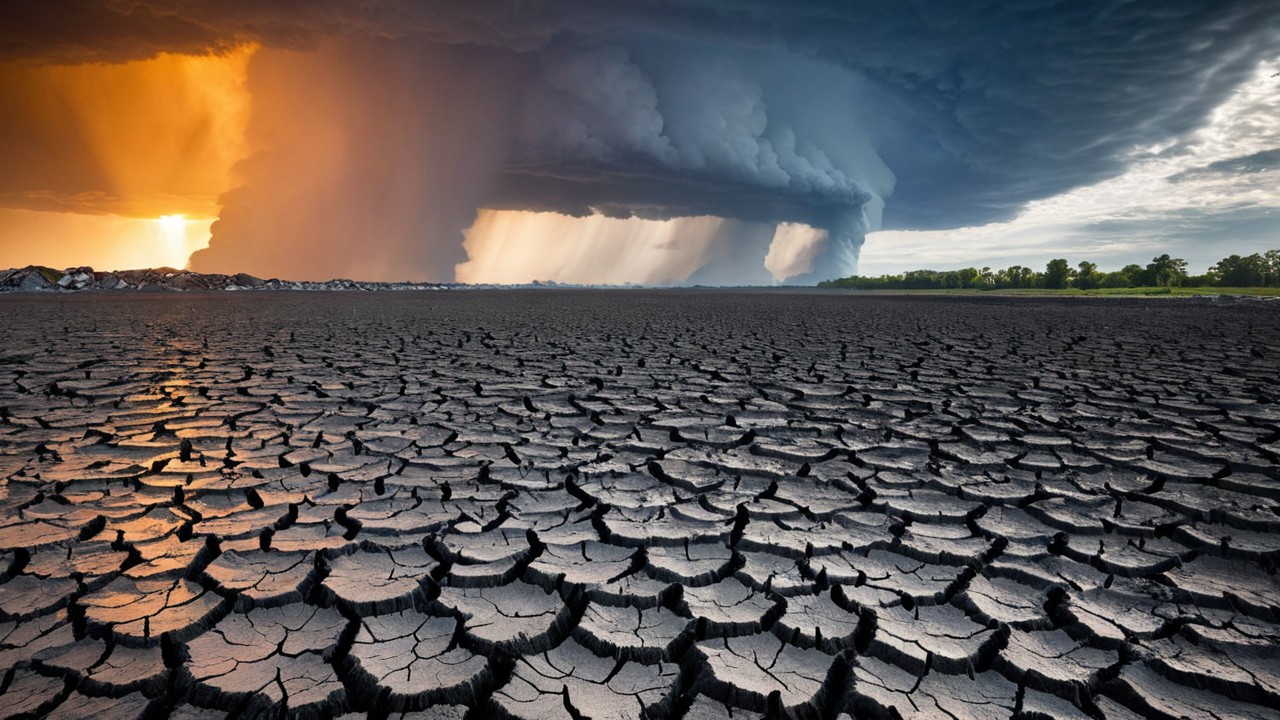

Climate change effects become a simple reality that influences the planet's ecosystems and weather patterns, resulting in the terrible survival of various species and humans. Therefore, world temperatures will increase the severity of environmental and social challenges. From rising ocean levels to unpredictable weather patterns, these changes are progressively visible and have extensive implications. It's crucial to grasp the effects of temperature change and the steps we will take to mitigate them.
What are the effects of climate change?
The effects of temperature change are influenced by the broad spectrum of warming impacts on Earth's systems. It involves changes in temperature, precipitation, sea levels, and weather patterns that disrupt natural ecosystems and affect diversity. These shifts have already begun to cause injury, and while there is no intervention, they're expected to worsen. A number of the foremost noticeable temperature change effects include:
Rising Temperatures: Average world temperatures have steadily inflated over the last century, intensifying heat waves and inflicting extreme climate.
Melting Polar Ice: The warming climate has a crystal rectifier to the speedy melting of polar ice caps, contributing to rising ocean levels and poignant the habitats of polar bears and seals.
Extreme Weather Events: Storms, hurricanes, and wildfires became more frequent and severe because of the changes in regional conditions.
Ocean Acidification: As carbonic acid gas levels rise, the oceans absorb a lot of carbonic acid gas, resulting in an inflated natural process. This disrupts marine ecosystems, poignant coral reefs, fish, and alternative marine life.
Loss of Biodiversity: several species cannot adapt to the ever-changing chop-chop conditions, resulting in extinction risks and a decline in diversity.
Understanding these effects is crucial to finding solutions and ensuring that future generations inherit an inhabitable planet.
How Climate Change Affects Nature and Ecosystems?
Climate change effects on ecosystems are a number of the foremost severe and extensive consequences of world warming. Because the planet heats up, habitats are non continuous, food sources become scarce, and migration patterns are altered.
Forest Ecosystems: Forests act as carbon sinks, soaking up CO2 from the atmosphere. However, as world temperatures rise, forests have become at risk of pests, diseases, and wildfires. These disturbances prevent forests from serving their essential role in mitigating climate change.
Marine Ecosystems: Rising ocean temperatures and natural processes are devastating marine life. Coral reefs, which host significant marine diversity, die from inflated water temperatures. As the ocean's natural process progresses, marine species, significantly shellfish, struggle to survive.
Wildlife Populations: Several animals are troubled in adapting to the ever-changing conditions. For example, hotter temperatures are forcing species to migrate to higher altitudes or latitudes in search of favourable environments. However, several species face surrounding loss or meagre food provided as ecosystem modifiers to chop-chops for them to adapt.
The effects of climate change on ecosystems threaten not only nature but also human life. Because the setting deteriorates, food and water security become precarious, and vulnerable communities suffer.
How Climate Change Affects Human Life
The effects of climate change don't seem confined to the environment; they even have serious consequences for human health, livelihood, and well-being.
Health Risks: The rising frequency of heat waves will significantly increase the incidence of heat-related sicknesses and deaths among vulnerable populations like seniors and children. Weather patterns also contribute to the unfolding diseases carried by insects, like malaria and infectious diseases.
Food and Water Security: climate change significantly impacts agricultural productivity in regions already prone to droughts. Inflated temperatures and ever-changing precipitation patterns disrupt growing seasons and scale back crop yields, threatening food security. Moreover, shifting water availability results in water deficiency, affecting billions of people worldwide.
Economic Impact: The injury to infrastructure, like buildings, roads, and utilities, because of extreme weather events imposes significant economic burdens. Countries with low economic stability are particularly prone to the monetary consequences of temperature change. Moreover, industries smitten by natural resources, like agriculture, fishing, and commercial enterprise, are hit arduous by these changes.
The effects of climate change cause a multi-dimensional challenge for human society. It needs immediate and coordinated efforts to reduce emissions and adapt to the existing changes.
What will we do about it?
While the climate change effects are frightful, it's not too late to require action. People, governments, and organizations should work to mitigate the injury and build resilience to future changes. Here are some effective strategies:
1. Scale back Carbon Footprint
One of the foremost impactful ways to scale back the effects of climate change is by minimizing the quantity of carbonic acid gas (CO2) and alternative greenhouse gases we tend to emit. This will be achieved by transitioning to renewable energy sources like solar, wind, and hydropower, reducing waste, and adopting energy-efficient practices in reception and trade.
2. Preserve and Restore Ecosystems
Protecting and restoring forests, wetlands, and alternative natural ecosystems is vital in gripping carbonic acid gas and supporting diversity. Reclamation and surround restoration are essential in maintaining the balance of ecosystems and mitigating the effects of temperature change.
3. Adopt property Agriculture and Fishing Practices
Sustainable farming and fishing ways facilitate scaling back the strain on natural resources while ensuring that future generations meet their wants. Practices like crop rotation, organic farming, and property fisheries will mitigate some of the effects of climate change on food and water security.
4. Support Climate Policy and Legislation
Governments play a vital role in addressing climate change. By supporting climate policies that promote carbon rating, emissions reductions, and investment in renewable energy, we will scale back the effects of climate change globally. International agreements, just like the Paris Agreement, are steps in the right direction; however, a lot of collective action is required.
5. Educate and lift Awareness
Raising Awareness of the effects and their impact on society and the setting is vital to motivating change. People will take tiny actions, like reducing waste, protecting water, and supporting inexperienced businesses. However, collective action driven by education and Awareness will produce lasting modification.
Conclusion
The climate change effects on nature, human life, and world systems are simple. These changes are already happening. Therefore, the urgency to act is more significant than ever. By understanding the impact of climate change and taking proactive steps to scale back emissions, preserve ecosystems, and promote property practices, we will mitigate its effects and secure a healthier, property future for the Earth. The road ahead would require collaboration, innovation, and persistence. However, it's possible to make a resilient world if we tend to act currently.
Another Exciting Blog: Revolutionizing Music in the Digital Age